Welcome — we're so glad you're here
Your Wellness. Your Pace. Your Priority.
You've made a real commitment to yourself by joining the OurTopClinic 90-Day Wellness Program. That deserves to be celebrated before anything else.
We know your days are full. Maybe you're working, raising children, caring for a parent, or all three. This Wellness Hub was built with that in mind. Nothing here asks for an hour at the gym or an afternoon in the kitchen.
What you'll find here
- My 90-Day Journey — one short lesson each week, plus a few simple things to try.
- Nutrition Made Simple — meals that take 10 minutes or less, start to finish.
- Move With Me — 5- and 10-minute workouts you can do at home, including chair options.
- Daily Wellness — water, sleep, stress relief, and encouragement.
- Your Next Chapter — how to keep going after day 90.
What this program is (and isn't)
This hub is about building habits you can actually keep. It is not a crash diet, and there is no "perfect" way to do it. Some weeks will feel easy. Some won't. Both are normal.
The Wellness Hub supports the care you receive from your OurTopClinic provider — it doesn't replace it. If you have questions about your medication, symptoms, or health conditions, please contact your care team directly rather than posting them here.
Your first step (2 minutes)
Open the next lesson, How to Use Your Wellness Hub, and bookmark this page on your phone's home screen so it's one tap away.
We're honored to walk this path with you.
— Your OurTopClinic Team
Your hub in 3 minutes
You don't need to read everything, and you don't need to go in order. Think of this hub like a friendly kitchen drawer: open it when you need something.

Need something right now? Tap a button
"What do I eat tonight?" Every recipe in your 10-Minute Kitchen takes 10 minutes or less.
"I have 5 minutes to move." Tap below to open Move With Me, scroll to Quick routines, and tap Start on any routine. A coach shows each move while the timer counts down.
"Plan my week for me." A full week of meals is already filled in. Swap anything you don't like, and your grocery list builds itself.
"I'm eating out." Open the Bonus: Eating Out Made Easy section at the end of this course for healthier picks at 50 popular restaurants.
"What should I focus on this week?" Open My 90-Day Journey and tap the current week.
A simple weekly rhythm
- Once a week (about 10 minutes): read that week's lesson. Each one has a short funny story, a little science, two small actions, and words of encouragement.
- Most days (5–10 minutes): try one meal, one movement, or one wellness habit.
- End of the week (1 minute): answer the reflection question.
That's it. If a week gets away from you, simply pick up with the current week — there's no catching up required.
Prefer to listen?
Tap Listen to this lesson at the top of any lesson and it will be read aloud to you.
Tips for using your phone
- Save this hub to your home screen: in your phone's browser, tap Share (iPhone) or the ⋮ menu (Android), then Add to Home Screen.
- Use the "mark complete" button at the end of a lesson to track where you left off.
- Forgot your password? Use the "Forgot password" link on the login page.
Keeping your health information private
Please don't share personal health details, medications, or lab results in lesson comments. For anything about your care, message or call your OurTopClinic care team directly.
Your first week, one small step a day
This week isn't about changing everything. It's about getting comfortable. Each day below takes about 5 minutes. If you miss a day, just do the next one — no catching up needed.
😂 Maya & Nana Rose
Day 1 — Settle in
Read the Welcome lesson. Then save this hub to your phone's home screen so it's one tap away:
- iPhone: tap the Share button (the square with an arrow) → Add to Home Screen.
- Android: tap the three dots ⋮ in the corner → Add to Home screen.
Day 2 — Fill your water bottle
Find a water bottle you like and keep it where you'll see it — your desk, car, or kitchen counter. No targets. Just notice how often you reach for it.

Day 3 — Pick one easy meal
Tap the button below. You'll see our recipes — every one takes 10 minutes or less. Tap any recipe that looks good to see the ingredients and steps. Make it sometime this week.
Day 4 — Move for 5 minutes
Tap the button below. When the page opens, scroll down to Quick routines and tap Start under Desk Break. A timer will show you each move and count down for you. Every move is done sitting in a chair. When the timer finishes, you're done!
Day 5 — Plan a calmer evening
Pick one thing to make tonight a little easier: set out tomorrow's clothes, put your phone away 15 minutes earlier, or take five slow breaths before bed.

Day 6 — Set your goals
Open the lesson Setting Realistic Wellness Goals (it's in this same section) and write down one or two small goals for the next few weeks.
Day 7 — Look back
Ask yourself: What felt easiest this week? What do I want to keep doing? Write one sentence. That's your first win. 🎉
A gentle reminder
Your provider may also give you specific instructions for your first week — always follow your care team's guidance first. If you notice anything about your health that concerns you, contact your care team.
Goals that fit your real life
Big goals are motivating. Small, specific actions are what get you there. This lesson helps you turn "I want to feel better" into something you can do this week.
Outcome goals vs. action goals
- Outcome goal: what you hope will happen — like having more energy or feeling stronger.
- Action goal: what you'll actually do — like taking a 10-minute walk after dinner three times this week.
You control your actions. Focus your energy there, and let your outcomes follow.
The "almost too easy" test
A good starting action goal should feel almost too easy. If you're 9 or 10 out of 10 confident you can do it on a busy week, it's the right size. If you're less sure, make it smaller.
| Instead of… | Try… |
|---|---|
| "Work out every day." | "Do a 5-minute movement break on Monday, Wednesday, and Friday." |
| "Eat healthy." | "Make one 10-minute breakfast with protein on weekdays." |
| "Drink more water." | "Fill my water bottle before I leave the house." |
| "Sleep better." | "Put my phone on the charger outside my bedroom by 10 pm." |
Your 5-minute goal worksheet
- In a few words, why does this program matter to you? (For example: "to keep up with my kids" or "to feel like myself again.")
- Write one or two action goals for the next two weeks.
- For each one, answer: When will I do it? Where? What could get in the way, and what's my backup plan?
- Rate your confidence from 1 to 10. Below 8? Make it smaller.
Celebrate more than the scale
Progress shows up in many ways: more energy, better sleep, clothes fitting differently, climbing stairs more easily, cooking at home more often. Notice and celebrate all of them.
Your provider will discuss any medical or weight-related targets with you individually.
Your 90 days at a glance
Ninety days is long enough to build real habits and short enough to stay focused. Here's how the journey is organized in your Wellness Hub.
Weeks 1–4: Build your foundation
Get comfortable with the hub, try a few quick meals, start moving in small ways, and notice your water and sleep. The focus is on starting, not perfection.
Weeks 5–8: Find your rhythm
Turn the things that worked into routines. Workouts gradually build, meal planning gets easier, and you'll practice handling busy or stressful weeks.
Weeks 9–12: Make it yours
Strengthen the habits you want to keep, build confidence for real-world situations like eating out and holidays, and start planning for life after day 90.
Days 85–90: Your next chapter
Reflect on how far you've come and create a simple plan to keep going.
What to expect along the way
- Progress isn't a straight line. Some weeks you'll feel great; some weeks life will get in the way. Both are part of the journey.
- Small things add up. A 10-minute meal and a 5-minute walk, repeated often, matter more than one perfect day.
- Your care team is part of this. Your OurTopClinic provider guides the medical side of your program. The Wellness Hub supports your everyday habits.
Your next step
Head to My 90-Day Journey and open Week 1 when you're ready. You've got this — at your pace.
Week 1: It's not a willpower problem
If you've ever blamed yourself for your weight, we want you to hear this first: you are not lazy, and you are not broken.
You are a normal human being living in a world that makes overeating easy and moving hard. This week, we'll look at why — so you can stop fighting yourself and start working with your brain instead.
😂 Maya & Nana Rose

What's really going on
Your brain was built for a world where food was hard to find. It is wired to notice tasty food, want more of it, and save energy whenever possible. Those instincts kept our ancestors alive.
Today, those same instincts meet drive-thrus, snack aisles, long workdays, little sleep, and constant stress. When your brain does exactly what it was designed to do in this new world, weight gain is a very normal result.
Many things affect weight besides food choices: your genes, your sleep, stress, some medicines, some health conditions, and the neighborhood and job you live with every day. That's why your care team looks at the whole picture — and why this program focuses on small changes to your environment and habits, not on willpower.
What the research says
About 4 in 10 American adults (40.3%) live with obesity. When something affects that many people, it isn't about one person's character. The National Institutes of Health lists eating and activity habits, surroundings, sleep, certain medicines, health conditions, and genes as factors that affect weight.
Sources: CDC, Obesity Prevalence in Adults, 2021–2023 · NIH, Factors Affecting Weight & Health
Your 5-minute practice: the kind replacement
Write down one sentence you often say to yourself about food or your body. For example: "I have no self-control."
Now rewrite it the way Nana Rose would say it: "I was tired and hungry, and my brain did what brains do. Next time I'll have a plan." Read the new sentence out loud.
This week's two small actions
1. Move for 5 minutes, once. Tap the button below. Your workout page opens. Scroll to Quick routines and tap Start next to Desk Break. A timer guides you through 5 gentle moves you can do sitting in a chair. That's it — you're done.
2. Pick one easy meal. Tap the button below to see our recipes. Every one takes 10 minutes or less. Choose one that looks good to you and make it once this week.
Reflect (1 minute)
When during your day are you most tired or hungry? That moment is where your first small plan will go.
Week 2: How habits run your day
Most of what we eat, we don't really decide. We grab, we finish, we repeat. That isn't a flaw — it's how a busy brain saves energy.
This week is about something hopeful: the same autopilot that got you here can carry you forward. You just need to program it with one small thing at a time.
😂 Maya & Nana Rose

What's really going on
A habit has three parts: a cue (the trigger), a routine (what you do), and a reward (the good feeling after). Walk in the door → open the pantry → feel calmer. Do that enough times and your brain starts doing it for you.
You don't break old habits by fighting them all day. You build new ones by attaching them to cues that already happen — like your morning coffee, brushing your teeth, or parking the car.
What the research says
Researchers at University College London followed 96 people building a new daily habit, like eating fruit at lunch. On average it took 66 days for the habit to feel automatic — some people took much less, some more. Most encouraging: missing a single day did not undo their progress.
Your 5-minute practice: build a habit sentence
Fill in the blanks: "After I ________, I will ________."
Examples: "After I pour my coffee, I will drink a glass of water." · "After I park at work, I will take three slow breaths." Write yours on a sticky note and put it where the cue happens.
This week's two small actions
1. Move twice this week. Tap the button below. On the workout page, find the card that says Up next and tap its green Start button. Follow the timer. Doing it in a chair is perfectly fine.
2. Repeat one breakfast. Pick one breakfast from our recipes and eat it three mornings this week. Repeating the same easy meal is how a habit gets built — boring is good here.

Reflect (1 minute)
What is one thing you already do every single day that a new healthy habit could ride along with?
Week 3: Hungry, or something else?
Sometimes we eat because our body needs fuel. Other times we eat because we're bored, stressed, lonely, tired, or just walking past the kitchen.
Both are human. This week you'll learn to tell them apart — not to judge yourself, but so you can give yourself what you really need.
😂 Maya & Nana Rose
What's really going on
Food is fast comfort. It's available, it's cheap, and it works — for a few minutes. Your brain remembers that, so when you feel stressed or empty, it suggests food first.
Here's a simple way to tell the difference:
| Body hunger | Feelings hunger |
|---|---|
| Builds slowly over time | Shows up suddenly |
| Many foods sound good | Wants one specific comfort food |
| Felt in your stomach | Felt in your head or mood |
| Stops when you're full | Keeps going past full |
| Leaves you satisfied | Can leave guilt behind |
The "plain chicken" test
If you'd happily eat a simple, plain meal right now, you're probably physically hungry — so eat! If only one particular treat will do, something else may be going on. Neither answer is wrong. It's just information.
Your 5-minute practice: the hunger check-in
Before you eat, pause and rate your hunger from 1 (starving) to 10 (stuffed). Aim to start eating around a 3 or 4 and stop around a 6 or 7 — comfortably satisfied.
If you're at a 5 or higher and still want food, ask: "What am I feeling right now, and what would actually help?" Sometimes the answer is a snack. Sometimes it's a glass of water, a walk outside, or a text to a friend.
This week's two small actions
1. Use the hunger check-in once a day. Just notice your number before one meal or snack. No need to change anything yet.
2. Try a 5-minute reset instead of a snack, once. When you want food but your number is high, tap the button below, then tap Start next to Evening Unwind (slow, gentle stretches). Then decide if you still want the snack. Either choice is okay.

Reflect (1 minute)
What feeling most often sends you looking for food — stress, boredom, tiredness, or loneliness? What's one non-food comfort that helps you with that feeling?
Week 4: Your surroundings beat willpower
Here's a secret that people who seem "naturally healthy" often don't realize: they usually just live in surroundings that make healthy choices easy.
This week, instead of trying harder, you'll make a few small changes to your kitchen, car, and desk so the easy choice becomes the healthy one.
😂 Maya & Nana Rose

What's really going on
You make many small food decisions every day, and most of them happen without you noticing. Your brain uses shortcuts: What's closest? What's easiest? How much is on the plate?
That means the size of your plate, the food on your counter, and the snacks in your car quietly decide a lot of what you eat. The good news: you can change those things once, and they keep working for you every day after.
What the research says
A large review of portion-size studies found that when people are served a portion twice as big, they eat about 35% more — usually without noticing. Our eyes and plates set the "normal" amount for us.
Your 5-minute practice: the kitchen makeover
Set a timer for 5 minutes and do just three things:
- Hide: Move the treats you overeat into a cabinet or opaque container.
- Show: Put fruit in a bowl on the counter and cut veggies at eye level in the fridge.
- Shrink: Put a smaller plate (about 9 inches) at the front of the cabinet.
This week's two small actions
1. Do the kitchen makeover above, once. Five minutes. It keeps working all week long.
2. Pack a "tired Maya" snack. Put one healthy grab-and-go snack in your bag or car (nuts, a cheese stick, a piece of fruit) for the moment you're hungry and far from home. Need ideas? Tap below and choose Snack.
Keep moving: Tap below, find the card that says Up next, and tap the green Start button. Aim for two times this week.
Reflect (1 minute)
Where do you most often eat without planning to — the car, the couch, your desk, the counter? What's one small change you could make there?
Week 5: Why some foods are so hard to stop eating
Ever opened a bag of chips meaning to have a few, and looked down at an empty bag? That is not a character flaw. Many packaged foods are carefully designed to be hard to stop eating.
This week, we'll pull back the curtain — and show you how a few simple swaps can quiet those cravings without giving up the foods you love.
😂 Maya & Nana Rose

What's really going on
Some foods combine fat with sugar, or fat with salt, in ways that rarely happen in nature. These combinations light up the brain's reward system. They're also often soft and quick to eat, so we eat a lot of them before our stomach has time to say "full."
Whole and lightly processed foods — eggs, beans, chicken, fish, vegetables, fruit, plain yogurt, nuts — take more chewing, have more protein and fiber, and help you feel satisfied on less.
What the research says
In a National Institutes of Health study, 20 adults lived in a research center and ate two different diets for two weeks each. They could eat as much as they wanted. On the heavily processed diet, they ate about 500 more calories a day and gained about 2 pounds — without trying to.
Another study looked at thousands of common American foods and found that about 6 in 10 fit the definition of "hyper-palatable" — engineered to be extra rewarding.
Sources: NIH, Heavily processed foods cause overeating (2019) · University of Kansas, Hyper-palatable foods (2019)
Your 5-minute practice: the "add, don't subtract" swap
Pick one packaged food you eat often. Instead of banning it, add something real to it:
- Chips → a small bowl of chips plus a cheese stick or carrots
- Cereal → half a bowl plus Greek yogurt and berries
- Cookies → two cookies on a plate plus a glass of milk, sitting down
This week's two small actions
1. Make one real-food meal. Tap the button below and pick any recipe. They're all made from simple whole foods, and every one is done in 10 minutes or less.
2. Use a bowl, not the bag. Whenever you snack on something packaged this week, pour a portion into a bowl and put the bag away first.
Keep moving: Tap below, find the card that says Up next, and tap the green Start button. Aim for two or three times this week.

Reflect (1 minute)
Which food is hardest for you to stop eating once you start? What could you pair it with to make it more satisfying?
Week 6: Sleep, stress & hunger
If you're a mom, a caregiver, or someone who gives a lot, you probably run on too little sleep and too much stress. Here's something important: that isn't just tiring — it changes your appetite.
This week isn't about adding more to your plate. It's about giving your body a little more rest, so your cravings get quieter on their own.
😂 Maya & Nana Rose

What's really going on
When you're short on sleep, your brain looks for fast energy. Sweet and salty foods suddenly seem more tempting, and it's harder to say "not now."
Stress works in a similar way. Your body releases stress hormones that prepare you for a challenge — and for many people, that includes reaching for comfort food. This is biology, not weakness.
What the research says
A review of 11 sleep studies from King's College London found that when people were short on sleep, they ate about 385 extra calories the next day — roughly the amount in four and a half slices of bread.
In a study of 59 women, those whose bodies released the most stress hormone during a stressful task ate more afterward and chose more sweet foods.
Sources: King's College London (2016) · Epel et al., Psychoneuroendocrinology (2001)
Your 5-minute practice: the 4-7-8 breath
Sit comfortably. Breathe in through your nose for 4 counts. Hold for 7. Breathe out slowly through your mouth for 8. Repeat four times.
Use it when stress hits, before you open the pantry, or in bed when your mind won't slow down. (If holding your breath feels uncomfortable, just breathe slowly in and out — that works too.)
This week's two small actions
1. Protect 30 minutes of sleep. Choose a "phone down" time 30 minutes earlier than usual on three nights. For help winding down, tap the button below and tap Start next to Evening Unwind — five minutes of slow, relaxing stretches.
2. Make a "tired day" plan. Pick one breakfast you can make half-asleep. Tap below, choose Breakfast, and pick the one that looks easiest. On rough mornings, that's your default — no decisions needed.

If you're often unable to sleep, or stress feels overwhelming, please tell your care team. You don't have to handle it alone.
Reflect (1 minute)
How do your food choices change after a bad night's sleep or a stressful day? What's one thing that could make those days a little easier?
Week 7: Kindness works better than guilt
Many of us believe that being hard on ourselves keeps us in line. "If I'm not strict, I'll lose control."
But science points the other way. This week you'll learn why being kind to yourself after a slip-up actually makes you more likely to get back on track — not less.
😂 Maya & Nana Rose

What's really going on
When we "slip," many of us feel a wave of guilt and shame. Those feelings are painful, and the fastest way our brain knows to soothe pain is… more comfort food. That's how one cookie turns into a whole weekend.
Self-kindness breaks the cycle. It isn't letting yourself off the hook — it's taking away the shame that drives the next binge, so you can calmly make your next choice a good one.
What the research says
In a university study, women ate a doughnut as part of the experiment. Some were then given a simple, kind message: everyone eats unhealthy food sometimes, so don't be hard on yourself. Among women who usually diet, those who heard that kind message ate less candy afterward in a taste test than those who didn't.
Source: Adams & Leary, Journal of Social and Clinical Psychology (2007)
Your 5-minute practice: the best-friend letter
Think about the last time you felt bad about something you ate. Now imagine your best friend told you the same story.
Write two or three sentences to her. What would you say? Read it back — and know that those words are for you, too.
This week's two small actions
1. Use the "next meal" rule. After any slip, say to yourself: "That's done. My next meal is a fresh start." Then make your next meal a normal, balanced one — not a punishment. Tap below if you need an easy idea.
2. Move to feel good, not to "burn it off." Tap below, find the card that says Up next, and tap the green Start button. Notice how you feel afterward — not how many calories you burned.

Reflect (1 minute)
What's one thing you often say to yourself after eating something you didn't plan to? What would you rather say instead?
Week 8: Plan for the hard moments
You're past the halfway point. Take a moment to notice that — you kept going, even on the hard days.
This week we'll tackle the "all-or-nothing" trap, and give you one of the most well-studied tools in psychology: the if-then plan. It's simple, and it works.
😂 Maya & Nana Rose

What's really going on
All-or-nothing thinking sounds like: "If I can't do it perfectly, why bother?" It feels like high standards, but it usually leads to doing nothing at all.
Real progress lives in the middle: the short walk, the half-healthy lunch, the 5-minute workout. Those "imperfect" days add up to big results over 90 days.
The other trap is waiting until a hard moment to decide what to do. By then you're tired, hungry, or stressed — the worst time to make a decision. An if-then plan makes the decision ahead of time.
What the research says
Researchers combined the results of 94 studies on if-then plans (scientists call them "implementation intentions"). People who made specific if-then plans were noticeably more likely to reach their goals than people who simply set the goal — a medium-to-large effect, which is impressive for something so simple.
Source: Gollwitzer & Sheeran (2006), summary of implementation intentions
Your 5-minute practice: write three if-then plans
Think of your three hardest moments of the week. For each one, finish this sentence: "If ________, then I will ________."
- If I get home starving, then I'll eat a cheese stick before I start cooking.
- If I don't have time for a full workout, then I'll do the 5-minute Desk Break.
- If there are donuts at work, then I'll have one half and save the other for tomorrow.
This week's two small actions
1. Try a "some is better than none" day. On your busiest day, tap the button below and tap Start next to Desk Break. Five minutes, in your chair. That counts.
2. Plan your week's dinners in one sitting. Tap below and open My Week. It already has meals filled in — just swap any you don't like. Then open Grocery List and it's done for you.

Reflect (1 minute)
Where does all-or-nothing thinking show up in your life? What would "some" look like there?
Week 9: Slow down and actually taste it
When was the last time you ate a meal sitting down, without your phone, without rushing, and actually tasted it?
For most busy women, the honest answer is "I can't remember." This week is a gift to yourself: learning to slow down and enjoy your food. It turns out that's also one of the easiest ways to feel satisfied on less.
😂 Maya & Nana Rose

What's really going on
Feeling full isn't instant. It takes time for your stomach and gut to send "that's enough" signals to your brain. When we eat fast — or while scrolling, driving, or working — we can finish a big plate before those signals arrive.
Distraction also makes meals forgettable. When your brain doesn't register a meal, you're more likely to feel snacky later.
What the research says
A scientific review of 22 studies found that when people ate more slowly, they ate less food — and they didn't feel any hungrier afterward.
Source: Robinson et al., American Journal of Clinical Nutrition (2014)
Your 5-minute practice: the first three bites
At your next meal, make the first three bites special. Put your fork down between each one. Notice the taste, the texture, the temperature.
That's it. You don't have to eat the whole meal this way — just start slow. Many people find the rest of the meal naturally slows down too.
This week's two small actions
1. One sit-down meal a day. Choose one meal each day to eat sitting at a table, phone in another room. Aim for about 15 minutes. If you need something quick to make, tap below — a 10-minute recipe leaves plenty of time to enjoy it.
2. Keep moving. Tap below, find the card that says Up next, and tap the green Start button. Aim for three times this week.

Reflect (1 minute)
Where and how do you eat most of your meals right now? What's one small change that would let you enjoy them more?
Week 10: Eating out, family & "food pushers"
Food is love. It's how we celebrate, how we say "welcome," and how families come together. That's beautiful — and it can also make healthy choices feel complicated.
This week you'll learn how to enjoy restaurants, parties, and family dinners without feeling deprived or rude.
😂 Maya & Nana Rose

What's really going on
We are social creatures. We tend to eat more when we eat with others, and we naturally match what the people around us are eating. Saying "no thank you" can feel like rejecting the person, not just the food.
Restaurants add another layer: big portions, rich sauces, bread baskets, and menus designed to make the most tempting items stand out. None of that means you can't eat out — it just means a little planning goes a long way.
Five restaurant moves that always work
- Look first. Check the menu online before you go, while you're calm and not hungry.
- Order first. Then you won't be swayed by everyone else's order.
- Grilled, not fried. Ask for sauce and dressing on the side.
- Swap a side. Trade fries for a salad, vegetables, fruit, or soup.
- Box half. Ask for a to-go box when the food arrives, and pack half for tomorrow.
Your 5-minute practice: your "kind no" script
Write down two friendly ways to say no that feel natural to you. Practice saying them out loud once. Some ideas:
- "It's so good, but I'm happily full. Can I take a plate home?"
- "I'm going to pass for now, but I'd love the recipe!"
- "I'm doing a 90-day health program and I'm really proud of it."
This week's two small actions
1. Look up your favorite restaurant. Open the Bonus: Eating Out Made Easy section at the end of this course. Find a place you go to often and pick the healthier order you'll choose next time.
2. Keep moving. Tap below, find the card that says Up next, and tap the green Start button. Aim for three times this week.

Reflect (1 minute)
Who in your life is the most likely to offer you food? What's one kind thing you could say to them that protects your goals and their feelings?
Week 11: Move for your mood, not just your weight
A lot of us learned to think of exercise as punishment — a way to "pay" for what we ate. No wonder it's hard to stick with!
This week, let's change the reason. Movement is one of the fastest, cheapest ways to feel better today — calmer, clearer, and more like yourself.
😂 Maya & Nana Rose

What's really going on
When you move, your brain releases chemicals that lift your mood and ease tension. You often feel the difference in minutes — long before you see any change on the scale.
Movement also helps you sleep more deeply, which (as you learned in Week 6) helps quiet cravings the next day. It all connects.
One honest note: you can't "spot reduce" fat from one area by exercising that body part. That's why our workouts focus on strength, energy, and feeling good overall.
What the research says
According to the CDC, physical activity can help you feel better right away. A single session can reduce short-term feelings of anxiety, and regular activity helps you think clearly, lowers the risk of depression, and helps you sleep better.
Your 5-minute practice: the mood check
Before your next workout, rate your mood from 1 (low) to 10 (great). Then do the workout. Rate it again right after.
Write both numbers down. Do this three times this week. That difference is the real reward — and remembering it is what will bring you back next time.
This week's two small actions
1. Three workouts with a mood check. Tap below, find the card that says Up next, and tap the green Start button. Rate your mood before and after.
2. One walk with someone you love. Invite a friend, your kids, or your partner for a 10-minute walk. Moving together is good for your mood and your relationships.

Reflect (1 minute)
What kind of movement made you happy as a child — dancing, biking, swimming, playing outside? How could you bring a little of that back?
Week 12: Becoming the person you want to be
Twelve weeks ago, you started something brave. Whatever the scale says, please take this in: you have been building a new way of living, one small choice at a time.
This week is about the deepest change of all — not what you do, but who you believe you are.
😂 Maya & Nana Rose

What's really going on
Every time you do something healthy, you cast a small "vote" for the kind of person you are. One walk doesn't make you an active person. But dozens of walks? Your brain starts to believe it.
That shift — from "I'm trying to eat better" to "I'm someone who eats well" — is what makes habits last after a program ends. People don't usually keep doing things that feel like a chore. They keep doing things that feel like who they are.
Remember the research from Week 2
New habits take about 66 days on average to feel automatic. You've now had about 84. Many of the small things you've practiced are close to running on autopilot — and missing a day here and there won't undo them.
Your 5-minute practice: count your wins that aren't on the scale
Write down every change you've noticed in the last 12 weeks that has nothing to do with your weight. Some ideas:
- More energy in the afternoon
- Clothes fitting differently
- Better sleep
- Less guilt around food
- Climbing stairs more easily
- Feeling proud of yourself
Then finish this sentence: "I am someone who ________."
This week's two small actions
1. Do your favorite workout again. Tap below and do the routine you've enjoyed most — a quick routine or the card that says Up next. Notice how much easier it feels than it did in Week 1.
2. Pick your "forever five." Tap below and favorite (tap the heart on) the five recipes you'd happily make for the rest of your life. Those are your go-tos after the program.

Reflect (1 minute)
Think back to who you were on Day 1. What would you tell her now?
Days 85–90: You did it — now let's keep it going
Ninety days. Think about everything that happened in your life during that time — the busy weeks, the tired mornings, the family gatherings, the hard days. And through all of it, you kept coming back to yourself.
That is something to celebrate. These last few days are for honoring how far you've come and making a simple plan for what's next.
😂 Maya & Nana Rose
What you've learned in 90 days
- It's not willpower — it's habits, surroundings, sleep, and stress.
- Habits ride on cues — "After I ___, I will ___."
- Check your hunger — body hunger or feelings hunger?
- Arrange your space — hide the treats, show the fruit.
- Add real food — don't just subtract.
- Rest is part of the plan.
- Kindness beats guilt — your next meal is a fresh start.
- If-then plans for hard moments — and some is better than none.
- Slow down and taste your food.
- Plan for eating out — and say a kind no.
- Move for your mood.
- You are someone who takes care of herself.
Your keep-going plan (10 minutes)
Write down your answers and keep them somewhere you'll see them:
- My three anchor habits (the ones I'll keep no matter what): ________
- My "off week" restart (the one small thing I'll do to get back on track): ________
- My if-then plan for my hardest moment: If ________, then I will ________.
- My weekly check-in (a day and time I'll plan my meals and workouts): ________
- One way I'll celebrate finishing these 90 days (not food — something just for me): ________
Two final actions
1. Plan next week, today. Tap below and open My Week. Swap in your favorite meals, then check the Grocery List. This is a habit you can keep using any time.
2. Talk with your care team. Share your progress and your keep-going plan. They'll help you decide on your best next step.
It has been an honor to walk beside you. You gave yourself 90 days of care, attention, and patience — and you deserve every bit of it.
Your Wellness. Your Pace. Your Priority. 💚
Continue to Your Next Chapter for more support as you keep going.
Your Kitchen
OurTopClinic original recipes made for weight loss. Every meal is ready in 10 minutes or less, and every recipe shows its calories.
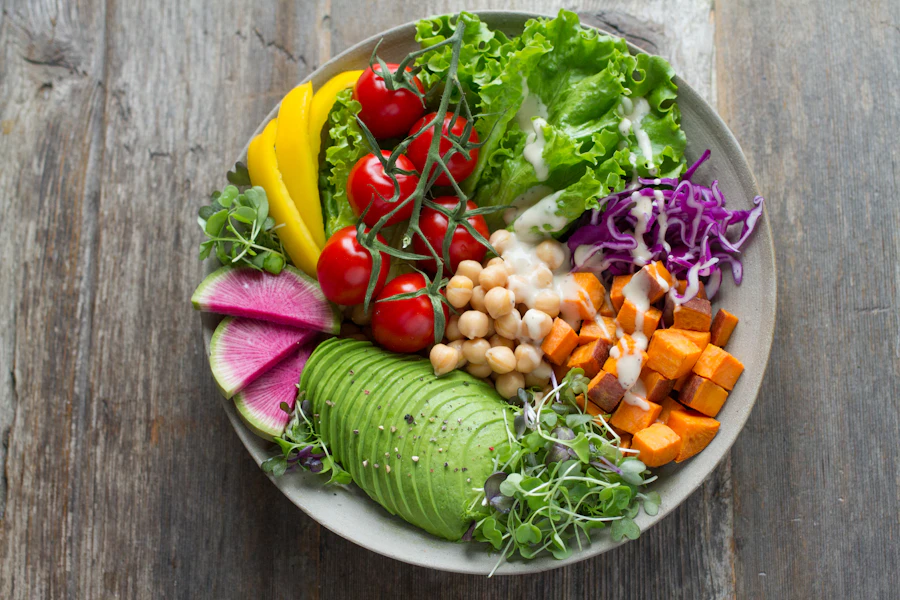
- Recipes: 30 meals and snacks, each about 150–440 calories per serving.
- Allergies & foods I don't eat: tap or type what you avoid, and those recipes disappear.
- My Week: a 7-day plan with daily calories that you can change with one tap.
- Grocery List: check items off as you shop.
Calories are estimates; brands vary. Your choices are saved on your own phone or computer. The Kitchen never asks for your name or health details.
Your 10-minute kitchen
Every meal in your 10-Minute Kitchen takes 10 minutes or less from start to finish. The secret isn't fancy skills. It's keeping the right shortcuts on hand.
Smart shortcuts that save time
- Ready-cooked proteins: rotisserie chicken, cooked shrimp, canned tuna or salmon, store-bought hard-boiled eggs, fully cooked chicken sausage.
- Canned beans: black, kidney, cannellini, and chickpeas. Rinse them to remove extra sodium.
- Microwave grains: brown rice and quinoa pouches heat in about 90 seconds.
- Frozen vegetables: riced cauliflower, pepper and onion strips, peas and carrots, corn, edamame.
- Pre-cut produce: bagged salad and coleslaw mix, baby spinach, pre-cut mango, broccoli florets.
- Flavor boosters: salsa, jarred garlic, lime and lemon, dried thyme, oregano, cumin, and salt-free spice blends.
Three tools that help
- A large microwave-safe bowl with a cover
- A good nonstick pan
- An air fryer (optional, but handy)
Food safety basics
- Cook ground turkey to 165°F and fish to 145°F.
- Thaw frozen fish or meat in the refrigerator overnight, not on the counter.
- Refrigerate leftovers within two hours and eat them within three to four days.
Try it now (2 minutes)
Open your Kitchen and filter by No-cook or Microwave. Pick one meal to make this week.
Building a balanced plate
You don't need to count every bite to eat well. A simple plate pattern works for most meals, at home or out.
The simple plate
- About half: vegetables or fruit — salad, frozen vegetables, fresh fruit.
- About a quarter: protein — chicken, fish, eggs, beans, Greek yogurt, tofu.
- About a quarter: whole grains or starchy foods — brown rice, quinoa, whole-grain bread, plantain, potatoes.
- A little: healthy fat — olive oil, avocado, nuts.
Why protein matters
Protein helps many people feel satisfied and supports muscle, especially when combined with strength exercise. Most recipes in your Kitchen are built around a protein for that reason.
It works with the foods you love
Rice and beans, plantains, stews, pasta — they all fit. Keep the dishes you love and adjust the balance on the plate: add a vegetable side, include a protein, and enjoy your favorite starch in a portion that feels right.
Your plan comes first
Everyone's needs are different. If your provider has given you specific nutrition guidance, portions, or restrictions, follow that guidance first.
Try it now (2 minutes)
Look at your next planned dinner. Is there a vegetable on the plate? If not, add a bagged salad or a handful of frozen vegetables.
How to use your Kitchen planner
Your Kitchen helps you find a meal, plan your week, and shop — all in a few taps. Every recipe is an OurTopClinic original, takes 10 minutes or less, and shows about how many calories are in one serving.
1. Tell it what you can't eat
On the Recipes page, open Allergies & foods I don't eat. Tap any allergy (like dairy, eggs, or peanuts) or food you don't eat (like avocado, cilantro, or beef). You can also type anything else, like "mushrooms." Those recipes disappear right away, and your week plan updates by itself.
2. Find recipes you'll enjoy
Search by a food you have at home, like "chicken" or "black beans," or filter by meal and cooking method (no-cook, microwave, air fryer, stovetop). Each recipe card shows the calories and the total time.
3. Plan your week
Open My Week. You'll see a sample week to start, with the calories for each day. Tap the swap arrows to replace any meal, adjust servings for your household, or tap Build a new week.
4. Shop with your list
Open Grocery List. Ingredients from your planned meals are combined and sorted by aisle. Check items off as you shop, or copy the list to your phone's notes.
5. Save favorites
Tap the heart on any recipe. Use Favorites only to find them quickly.
About calories and your saved choices
Calories are estimates based on standard nutrition values for the amounts listed. Brands vary, so check labels. Your care team can tell you what daily range is right for you.
Your plan, favorites, and checkmarks are saved on the device you're using. For your privacy, allergy choices are not saved after you leave the page. The Kitchen never asks for your name, weight, or health details.
Move With Me
Short home workouts that grow with you over 12 weeks. A friendly coach shows every move beside the countdown, and every move has a seated option.
- Pick 5 or 10 minutes.
- Choose Beginner, Building, or Stronger.
- Turn on Seated only any time.
Please read Moving Safely at Your Pace first, and check with your care team before starting a new exercise routine.
Moving safely at your pace
Movement should leave you feeling better, not worse. These guidelines help you start safely and build gradually.
Before you start
- Check with your care team before starting a new exercise routine, especially if you have heart, lung, joint, or balance concerns, or if you've had a recent injury or surgery.
- Wear supportive shoes and clear a little space around you.
- Use a sturdy chair without wheels, placed against a wall.
- Keep water nearby.
During exercise
- Aim for a pace where you can still talk in short sentences.
- Move slowly and with control. Quality matters more than speed.
- Breathe steadily. Don't hold your breath.
- Mild muscle effort is normal. Sharp or joint pain is not — stop that exercise.
Stop and contact your care team or emergency services if you feel
- Chest pain, pressure, or tightness
- Dizziness or lightheadedness
- Shortness of breath that doesn't ease with rest
- An irregular or racing heartbeat
Start small and build
The Move With Me program begins with short work periods and longer rests. Every three weeks, work time gets a little longer. Every exercise has an easier version and a seated option, so you can always adjust.
How to use Move With Me
Move With Me builds a short home workout for you each day, based on what works for your body and your schedule.
1. Choose your settings
- Program week: set this to your current week (1–12).
- Starting level: Beginner, Building, or Stronger. Start with Beginner if you're unsure.
- Time: 5 or 10 minutes.
- What works for me: turn on Seated only, Floor exercises OK, weights or water bottles, or a resistance band.
2. Follow your three program days
- Day A: lower body and core
- Day B: upper body and cardio
- Day C: full body and stretch
Aim for three program days a week, with a rest day or a gentle walk in between.
3. Press Start
The timer guides you through each exercise and rest period, with simple instructions on screen. You can pause or skip at any time.
How the program progresses
| Weeks | Work / rest |
|---|---|
| 1–3 | 30 seconds / 30 seconds |
| 4–6 | 35 seconds / 25 seconds |
| 7–9 | 40 seconds / 20 seconds |
| 10–12 | 45 seconds / 15 seconds |
The suggested exercise level also rises gradually. If anything feels like too much, lower your starting level or turn on Seated only.
Quick routines
For extra movement, try Morning Wake-Up, Evening Unwind, or the seated Desk Break — each takes 5 minutes.
Your daily wellness checklist
Six small habits. You don't need to check every box every day — any box is a win.
- Drink water with each meal and keep a bottle nearby.
- Eat a protein at breakfast, lunch, and dinner.
- Add a vegetable or fruit to at least two meals.
- Move for 5–10 minutes — a routine, a walk, or a movement break.
- Take a calm moment — three slow breaths, a stretch, or a short pause.
- Wind down 15 minutes before bed, with your phone out of reach.
How to use it
Take a screenshot of this list and save it on your phone. At the end of the day, count the boxes you checked. Three or more is a great day. One is still a good one.
Make it your own
Swap any habit for one that matters more to you right now: taking your medication as prescribed, preparing tomorrow's lunch, or calling a friend.
Hydration made easy
Water supports energy, digestion, and how you feel day to day. Florida heat and busy schedules make it easy to fall behind.
Signs you may need more fluids
- Feeling thirsty or having a dry mouth
- Dark yellow urine
- Headache or tiredness in the afternoon
Simple ways to drink more
- Drink a glass of water when you wake up.
- Keep a refillable bottle in your bag, car, or on your desk.
- Have a glass with every meal.
- Add lime, lemon, cucumber, mint, or frozen fruit for flavor.
- Choose water or unsweetened drinks in place of soda and sweet tea most of the time.
- Drink extra when it's hot or when you've been active.
Foods count too
Fruits and vegetables like cucumber, watermelon, oranges, and soups add to your fluids.
Your care team's guidance comes first
Fluid needs vary. Some health conditions and treatments require a specific fluid goal or limit. If your provider has given you one, follow it.
Sleep routines for busy lives
Most adults do best with at least seven hours of sleep. If that feels out of reach right now, start by protecting the sleep you do get.
Five habits that help
- Keep a steady wake-up time, even on weekends, as much as your life allows.
- Dim the lights in the last hour before bed.
- Charge your phone away from your bed.
- Limit caffeine after early afternoon.
- Keep your bedroom cool, dark, and quiet. A fan or white-noise app can help.
A 10-minute wind-down
- 2 minutes: prepare one thing for tomorrow (clothes, lunch, bag).
- 5 minutes: Evening Unwind stretches in Move With Me.
- 3 minutes: slow breathing — breathe in for 4 counts and out for 6.
For caregivers and parents
If night wake-ups are part of your life right now, short rests and an earlier bedtime on some nights still help. Ask for support when you can.
When to talk with your provider
Let your care team know if you snore loudly, stop breathing or gasp during sleep, have trouble sleeping most nights, or feel very sleepy during the day.
Stress relief in 5 minutes or less
Stress is part of life, especially when you're caring for others. These quick tools can help you reset in the moment.
1-minute tools
- Slow breathing: breathe in through your nose for 4 counts and out through your mouth for 6. Repeat five times.
- 5-4-3-2-1: name 5 things you see, 4 you hear, 3 you can touch, 2 you smell, and 1 you taste.
- Shoulder drop: lift your shoulders to your ears, hold, and let them fall. Repeat three times.
5-minute tools
- A short walk outside, even around the block
- The Evening Unwind or Desk Break routine in Move With Me
- Writing down what's on your mind, then one small next step
- Calling or texting someone who makes you smile
Stress and food
Reaching for food when stressed is common. Before a stress snack, try one 1-minute tool first. If you still want the snack, enjoy it without guilt.
When to reach out
If stress, worry, or low mood is affecting your daily life, sleep, or eating, please talk with your provider. You don't have to handle it alone. If you are in crisis or thinking of harming yourself, call or text 988 (the Suicide & Crisis Lifeline) or call 911.
Self-care that fits your day
Self-care doesn't have to be a spa day. It's any small act that refills your energy so you can keep showing up for yourself and others.
Pick one to try this week
Under 5 minutes
- Drink your morning coffee or tea sitting down, without your phone.
- Step outside and feel the sun or fresh air.
- Play one favorite song and sing or dance along.
- Write down one thing that went well today.
- Stretch your neck and shoulders.
Around 10 minutes
- Take a slow walk around the neighborhood.
- Call or voice-message someone you love.
- Read a few pages of a book or a devotional.
- Take a warm shower with no rushing.
- Tidy one small space that's been bothering you.
Saying no is self-care too
Protecting your time is not selfish. Try one gentle "not this time" this week so you can keep a promise to yourself.
12 weekly wellness challenges
One small, fun challenge for each week of your program. Each takes just a few minutes a day.
- Bottle buddy: refill your water bottle at least twice every day.
- Protein breakfast: eat a breakfast with protein on five mornings.
- Step it up: take a 5-minute walk after one meal each day.
- New recipe: try two recipes from your Kitchen you've never made.
- Screens down: put your phone away 15 minutes before bed on five nights.
- Veggie first: start lunch or dinner with a vegetable on five days.
- Three-a-week: complete all three Move With Me program days.
- Breathe: do one minute of slow breathing every day.
- Cook together: make a family-friendly 10-minute recipe with someone you love.
- Gratitude: write down one good thing at the end of each day.
- Seated strength: do the Desk Break routine on three workdays.
- Plan ahead: build next week's meal plan and grocery list on your own.
How to play
Write the challenge somewhere you'll see it, like a sticky note on the fridge. At the end of the week, give yourself credit for every day you tried — even partly.
30 days of encouragement
Read one each day, or come back whenever you need a lift.
- Small steps still move you forward.
- You don't have to do it all today. Just do the next kind thing for yourself.
- Your pace is the right pace.
- Ten minutes for you is time well spent.
- Progress counts, even when nobody else sees it.
- A busy week is not a failed week.
- Every meal is a fresh start. There's nothing to catch up on.
- Rest is part of the plan, not a break from it.
- You're building habits that fit your real life.
- Showing up imperfectly still counts as showing up.
- Be as patient with yourself as you are with the people you care for.
- Strength grows in quiet, repeated moments.
- You are allowed to take up time for your own health.
- One good choice makes the next one a little easier.
- Your body is doing its best for you. Thank it today.
- Five minutes of movement is five minutes more than none.
- You can enjoy food and care for your health at the same time.
- Look how far you've already come.
- Consistency beats perfection, every single time.
- Asking for help is a sign of strength.
- Today's effort is enough.
- You are worth the time it takes to plan a good meal.
- Setbacks are information, not failure.
- Notice one thing your body did well today.
- Taking care of yourself helps you care for everyone else.
- Celebrate the wins the scale can't measure.
- You get to choose what matters most to you.
- Calm is a skill, and you're practicing it.
- The habits you're building today are a gift to your future self.
- Your wellness. Your pace. Your priority.
My simple goal worksheet
Use this any time you want to set a new goal or refresh an old one. It takes about five minutes. Write your answers on paper or in your phone's notes.
1. My why
Why does feeling well matter to me right now? (For example: to keep up with my grandchildren, to feel confident, to have more energy after work.)
2. One action for the next two weeks
What will I do, how often, and when?
Example: "I'll do a 5-minute Desk Break at 2 pm on Monday, Wednesday, and Friday."
3. Make it easy
- Where will I do it?
- What do I need ready ahead of time?
- What might get in the way?
- What's my backup plan if it does?
4. Confidence check
How confident am I, from 1 to 10, that I can do this? If it's below 8, make the goal smaller.
5. Look back in two weeks
- What went well?
- What would I change?
- Keep it, adjust it, or choose a new goal?
Eating well for the long run
The way you eat after your program doesn't need to be strict. It needs to be something you can keep doing.
Keep what works
- Your favorite 10-minute meals — tap the heart in your Kitchen to keep them close.
- A protein at most meals.
- Vegetables or fruit at most meals.
- Water as your main drink.
- A weekly planning habit, even if it's just choosing three dinners.
Flexible, not perfect
Think of the "80/20" idea: most of the time, choose foods that help you feel your best, and leave room for celebrations, cultural foods, and treats without guilt.
Notice early drift
Habits sometimes slip gradually. Signs to watch for: skipping planning for a few weeks, more meals on the run, or less movement. When you notice, go back to your "bare minimum" plan from Week 10.
Keep your care team in the loop
Your provider will talk with you about follow-up care and any ongoing nutrition guidance. Follow their recommendations for your individual needs.
Movement you'll keep doing
The best exercise plan is the one you'll actually do, week after week.
A simple weekly rhythm
- Two or three strength days: keep using your Move With Me program days. Once you finish week 12, stay at week 12 or raise your starting level.
- Most days: some walking or light activity, even 10 minutes at a time.
- A few times a week: stretching, like the Evening Unwind routine.
General guidelines suggest most adults build toward about 150 minutes of moderate activity a week plus strength work twice a week. Ask your provider what's right for you, and remember that every bit counts.
Keep it interesting
- Try something new each month: a dance video, a swim, a walking group, or a class.
- Move with others: family walks, a friend's weekly call while you walk.
- Notice how movement helps your mood and sleep, not just your body.
When life gets busy
Drop to 5-minute routines or seated options instead of stopping completely.
Planning for busy seasons
Holidays, school breaks, work deadlines, caregiving, travel — some seasons are simply fuller. A plan for those times keeps your habits from disappearing.
Spot your busy seasons
Look at the next three months. Circle the weeks you already know will be hard.
Your busy-season plan
- Meals: pick five no-cook or microwave recipes from your Kitchen and keep their ingredients stocked.
- Movement: switch to 5-minute routines, or seated ones if needed.
- Water: pack a full bottle every day.
- Rest: protect your wind-down time, even if it's short.
- Support: decide who can help — with kids, meals, errands, or encouragement.
Travel tips
- Pack protein snacks like roasted chickpeas, nuts, or jerky.
- Choose a hotel breakfast with eggs or yogurt and fruit.
- Do a 5-minute routine in your room; no equipment needed.
Remember
A busy season is temporary. Doing a little keeps the habit alive until you have more room again.
Staying motivated
Motivation rises and falls for everyone. The secret is building habits that don't depend on feeling motivated every day.
Lean on routines, not willpower
When a habit is tied to a time or place — water with breakfast, a walk after dinner, planning on Sunday — it happens even on low-motivation days.
Reconnect with your why
Reread the "why" you wrote in Week 1 or on your goal worksheet. Put it somewhere you'll see it often.
Set a fresh goal every month
New goals keep things interesting. Try a new recipe each week, a longer walk, a harder exercise variation, or a monthly challenge with a friend.
Find your people
Share your goals with someone who supports you. A walking partner, a cooking buddy, or a friend who checks in can make a real difference.
Be kind to yourself
On hard days, speak to yourself the way you'd speak to a friend. Encouragement keeps you going far longer than criticism.
Celebrating progress beyond the scale
Your 90 days brought changes you can feel, see, and live. Take time to honor them.
Look for wins in every area
- Energy: fewer afternoon slumps, more stamina for family and work.
- Strength: easier stairs, carrying groceries, getting up from the floor.
- Sleep: falling asleep more easily or waking more rested.
- Habits: planning meals, drinking more water, moving more often.
- Confidence: trusting yourself to make choices that feel good.
- Mood: handling stress with new tools.
Celebrate in ways that feel good
Mark your progress with something meaningful: new workout shoes, a cookbook, a day out, a new plant, or time doing something you love.
Keep your list growing
Add to your non-scale victory list every month. Over a year, it becomes a powerful reminder of who you've become.
Your wellness plan going forward
You have the skills, the recipes, and the routines. Here's how to bring them together into a plan you own.
Your one-page plan (10 minutes)
- My why:
- My weekly planning time: (day and time)
- My go-to meals: (three breakfasts, three lunches, three dinners)
- My movement rhythm: (which days, which routines)
- My daily habits: (water, calm moment, wind-down)
- My busy-season plan:
- My support people:
- My monthly check-in date:
A monthly check-in (5 minutes)
Once a month, ask yourself: What's working? What has slipped? What one small change would help this month?
Stay connected with your care team
Keep any follow-up appointments your provider recommends, and reach out if you have questions about your health. They're part of your team for the long run.
Thank you
Thank you for trusting OurTopClinic with this part of your journey. Your wellness, your pace, your priority — always.
Eating out made easy
Real life includes drive-thrus, lunch meetings, kids' birthday parties, and nights when cooking just isn't happening. That's okay. You don't have to avoid restaurants to reach your goals — you just need to know what to order.
In this bonus section, we picked a healthier choice at 50 of the most popular restaurants and fast-food chains in America, with the restaurant name first, then the dish, a picture, about how many calories it has, and why it's a better pick.
😂 Maya & Nana Rose
The 6 rules that work at almost any restaurant
- Grilled, roasted, or baked beats fried or crispy.
- Protein first. Chicken, fish, eggs, beans, or lean beef keep you full longer.
- Swap the side. Fries → side salad, fruit, green beans, or soup.
- Sauces on the side. Dressings and creamy sauces can add 100–300 calories. Dip your fork, don't pour.
- Drink water or unsweet tea. A large regular soda can have as many calories as a burger.
- Size down or box half. Choose the small, the junior, or the kids' size — or save half for tomorrow.
How to read this guide
- Each green bar is the restaurant. Under it you'll see the dish to order, a picture, the calories, and why it's a better pick.
- Calories are approximate and based on each restaurant's published nutrition information at the time we wrote this. Menus, recipes, and sizes change often, and your add-ons change the numbers.
- Always double-check the restaurant's own app, website, or menu board for current numbers.
- Photos show a similar style of dish, not the restaurant's exact item.
- If you have food allergies or a medical diet (like low-sodium or diabetes-friendly), ask your care team which choices are best for you. Many restaurant meals are high in sodium.
- Your care team can tell you what calorie range is right for you.
What's in this section
- Breakfast, Coffee & Café (5 places)
- Burgers & Drive-Thrus (12 places)
- Chicken Spots (10 places)
- Mexican & Bowls (5 places)
- Subs & Sandwiches (5 places)
- Pizza Night (4 places)
- Sit-Down Restaurants (9 places)
Brand and restaurant names belong to their owners and are used only to identify where to find these menu items. OurTopClinic is not affiliated with any of these restaurants.
Breakfast, coffee & café
Mornings are rushed. These picks give you protein to stay full until lunch — without a sugar crash by 10 a.m.
Coffee tip: A plain coffee or unsweetened latte is a great choice. Large sweetened, whipped coffee drinks can have as many calories as a full meal, so save those for a treat.
📸 Pictures show a similar dish to give you an idea. The restaurant's item may look a little different.

Order this
Egg McMuffin
About 310 calories17 g protein
Why it's a better choice: A real egg, lean Canadian bacon, and an English muffin give you solid protein for far fewer calories than a biscuit sandwich or a big breakfast platter.
Make it even better: Skip the hash brown and pair it with apple slices or a black coffee.
Order this
Egg White & Roasted Red Pepper Egg Bites
About 170 calories12 g protein
Why it's a better choice: Light, high in protein, and easy to eat in the car. Much more filling than a pastry or muffin, which is mostly sugar and refined flour.
Make it even better: Add a banana or the fruit cup, and choose a plain coffee or unsweetened latte.
Order this
Egg & Cheese Wake-Up Wrap
About 180 calories
Why it's a better choice: A small, satisfying portion of egg and cheese. Compared with a donut and a sweet coffee, it keeps your energy steady instead of spiking and crashing.
Make it even better: Get two wraps if you're very hungry — still less than most breakfast sandwiches — and skip the hash browns.

Order this
Ten Vegetable Soup (cup)
About 100 calories
Why it's a better choice: A warm, veggie-packed soup that fills you up for very few calories. Starting a meal with a broth-based soup can help you eat less of the heavier stuff.
Make it even better: Pair it with half a salad or half a turkey sandwich (the "You Pick Two") instead of the bread bowl.

Order this
Thai Chicken Salad
About 380 calories23 g protein
Why it's a better choice: Chicken, crunchy vegetables, and big flavor. Many smoothies here are loaded with sugar — a salad with protein keeps you full much longer.
Make it even better: Ask for the dressing on the side. If you want a smoothie, choose one with no added sugar and treat it as your meal, not a drink.
Burgers & drive-thrus
Yes, you can still have a burger. The secret is size: a plain single burger is often half the calories of a double with bacon and special sauce. Add a side salad or fruit instead of fries, and drink water.
📸 Pictures show a similar dish to give you an idea. The restaurant's item may look a little different.

Order this
Hamburger
About 250 calories
Why it's a better choice: Flame-grilled and simple. You get the burger you're craving for about a third of the calories of a Whopper with cheese.
Make it even better: Add a side salad or apple slices instead of fries.
Order this
Small Chili
About 250 calories18 g protein
Why it's a better choice: Beef and beans give you protein and fiber, two things that keep you full. One of the most filling fast-food items for the calories.
Make it even better: Pair it with a side salad. Skip the cheese and crackers if you're watching calories.

Order this
Plain Jr. Burger
About 330 calories14 g protein
Why it's a better choice: A satisfying burger at a junior size. Sonic's big appeal is drinks and shakes — so ordering a small burger and a water saves hundreds of calories.
Make it even better: Choose a diet or unsweetened drink and skip the tots.
Order this
Hamburger
About 320 calories
Why it's a better choice: A classic single burger that feels like a real meal. Far lighter than the bigger burger baskets.
Make it even better: If you want a treat, share a small cone instead of a Blizzard.

Order this
Apple & Cranberry Cobb Salad with Grilled Chicken
About 330 calories32 g protein
Why it's a better choice: Lots of protein from grilled chicken, plus fruit and greens. Very filling for the calories.
Make it even better: Use about half the dressing packet — dressing is where salad calories hide.

Order this
Grilled Chicken Salad
About 250 calories
Why it's a better choice: Grilled chicken over greens — one of the lightest full meals on the menu.
Make it even better: Choose a light vinaigrette and skip the croutons.
Order this
Grilled Chicken Sandwich
About 390 calories
Why it's a better choice: Grilled instead of fried chicken gives you plenty of protein with much less fat than a ButterBurger.
Make it even better: Swap fries for a side salad or steamed broccoli where available.
Order this
Hamburger, "Protein Style" (lettuce wrap)
About 240 calories
Why it's a better choice: All the flavor of the burger wrapped in crisp lettuce instead of a bun — it saves calories and adds crunch.
Make it even better: Ask for mustard and ketchup instead of the spread.
Order this
Little Hamburger
About 540 calories
Why it's a better choice: Five Guys portions are big. The "Little" burger has one patty instead of two — saving hundreds of calories compared with the regular.
Make it even better: Order it in a lettuce wrap with lots of free veggie toppings, and skip or share the fries (a regular order is very large).
Order this
Single Hamburger
About 385 calories
Why it's a better choice: A single patty with lettuce and tomato. You get a high-quality burger without the double patty, bacon, or cheese sauce.
Make it even better: Skip the shake and fries, or share them.

Order this
3-Piece Chicken Tenders
About 260 calories
Why it's a better choice: These chains are known for very large burgers — a small tender order gives you protein for a fraction of the calories.
Make it even better: Choose a lighter dipping sauce like barbecue or honey mustard instead of ranch, and add a side salad.

Order this
Classic Roast Beef
About 360 calories
Why it's a better choice: Lean, thin-sliced roast beef gives solid protein. Much lighter than the bigger, sauce-heavy specialty sandwiches.
Make it even better: Go easy on the sauces and skip the curly fries.
Chicken spots
Chicken is a great protein — the question is how it's cooked. Grilled, roasted, or blackened chicken can have half the calories of the same piece breaded and fried. And the sides matter just as much: green beans, coleslaw, or a side salad beat fries, mac and cheese, and biscuits.
📸 Pictures show a similar dish to give you an idea. The restaurant's item may look a little different.
Order this
Grilled Nuggets (8-count)
About 130 calories25 g protein
Why it's a better choice: One of the best protein-for-calories deals in all of fast food. Lean, grilled, and kid-friendly too.
Make it even better: Add a side salad or fruit cup, and use a lighter sauce like Zesty Buffalo or barbecue.

Order this
Blackened Chicken Tenders (3-piece)
About 170 calories28 g protein
Why it's a better choice: All that Louisiana seasoning, without the breading. You keep the bold flavor and lose most of the fat.
Make it even better: Pair with green beans instead of fries or a biscuit.
Order this
Kentucky Grilled Chicken Breast
About 210 calories38 g protein
Why it's a better choice: A big, satisfying piece of chicken with lots of protein — roughly half the calories of an Extra Crispy breast. (Grilled chicken isn't available at every location; if it's not, see the tip below.)
Make it even better: Choose green beans or corn on the cob. No grilled option? Order an Original Recipe breast and remove the skin.

Order this
Kids Combo with Coleslaw (no fries)
About 360 calories26 g protein
Why it's a better choice: Cane's only serves fried chicken, so portion size is your best tool. Two chicken fingers satisfy the craving without the big box.
Make it even better: Use half the Cane's sauce, skip the Texas toast, and drink water.
Order this
Grilled House Zalad with Light Vinaigrette
About 410 calories
Why it's a better choice: Grilled chicken on a big salad with veggies and egg. Much lighter than a fried chicken finger plate with fries and Texas toast.
Make it even better: Ask for grilled (not fried) chicken and skip the fried toppings.
Order this
Plain Tenders (2-piece) with Veggie Sticks
About 280 calories20 g protein
Why it's a better choice: A small, plain portion lets you control the extras. Wings add up fast once sauces and ranch pile on.
Make it even better: Choose a dry rub (like lemon pepper) instead of a sticky sauce, and dip lightly.
Order this
Chicken Breast with Green Beans (skin removed)
About 560 calories with skin — much less without41 g protein
Why it's a better choice: A breast is the leanest piece, and green beans are one of the lightest Southern sides (about 20 calories). Most of the fat is in the breading, so peeling it off makes a big difference.
Make it even better: Skip the biscuit and sweet tea, or save the biscuit for a special treat.
Order this
Original Chicken Breast
About 250 calories22 g protein
Why it's a better choice: The Original recipe has thinner breading than the spicy or tender-strip options, so one breast is a reasonable protein-rich meal.
Make it even better: Choose corn on the cob or coleslaw over fries and a honey-butter biscuit.
Order this
¼ White-Meat Chicken, No Skin
About 220 calories37 g protein
Why it's a better choice: A Florida favorite! Citrus-marinated, flame-grilled chicken with tons of protein and big flavor.
Make it even better: Pair with black beans and a side of vegetables instead of yuca fries or sweet plantains.

Order this
String Bean Chicken Breast + Super Greens
About 300 calories together
Why it's a better choice: Chicken breast with green beans (about 210 calories) plus a base of steamed veggies instead of fried rice or chow mein — a full plate for a fraction of the calories.
Make it even better: Avoid the battered entrées like orange chicken, which are much higher in sugar and calories.
Mexican & bowls
Build-your-own places are your friend — you're in charge! The formula: protein + beans or veggies + salsa. The calories hide in big tortillas, chips, sour cream, and queso. A bowl on top of lettuce instead of a giant burrito can save 300 calories or more.
📸 Pictures show a similar dish to give you an idea. The restaurant's item may look a little different.

Order this
Chicken Soft Taco, "Fresco Style"
About 150–180 calories each
Why it's a better choice: Ordering "Fresco Style" swaps cheese and creamy sauces for fresh pico de gallo, cutting calories and fat on almost any item.
Make it even better: Two tacos plus a side of black beans makes a filling meal. Skip the Nachos and chalupas.
Order this
Salad Bowl: lettuce, chicken, black beans, fajita veggies, salsa
About 350–550 calories, depending on toppings
Why it's a better choice: Lots of protein and fiber in a big, colorful bowl. Skipping the large tortilla alone saves about 320 calories.
Make it even better: Pick either rice or guacamole or cheese — not all three. Skip the chips and the vinaigrette.
Order this
Burrito Bowl (no rice): chicken, pinto beans, guacamole, street corn
About 430 calories25 g protein
Why it's a better choice: Protein, fiber, and healthy fat from guacamole, without the heavy tortilla and queso.
Make it even better: Ask for extra fajita veggies or lettuce to make the bowl bigger.
Order this
Carne Asada Street Taco
About 120 calories each
Why it's a better choice: Small corn tortillas, grilled steak, onion, and cilantro — simple and flavorful. You can have two or three for less than one big burrito.
Make it even better: Skip the fries and add a side of beans.
Order this
Tahini Caesar Bowl
About 550 calories37 g protein
Why it's a better choice: Mediterranean-style eating — greens, grilled chicken, vegetables, and healthy fats. A complete, filling meal with lots of protein.
Make it even better: Ask for the dressing on the side, or go half greens / half grains to lighten it.
Subs & sandwiches
Sub shops make it easy to load up on veggies. The keys: choose lean meat like turkey or chicken, go small (6-inch or mini), pile on the vegetables, and pick mustard or a light sauce instead of mayo and oil.
📸 Pictures show a similar dish to give you an idea. The restaurant's item may look a little different.
Order this
6-inch Oven-Roasted Turkey
About 270 calories21 g protein
Why it's a better choice: Lean turkey on a 6-inch with all the free veggies you want. Filling, fresh, and easy to customize.
Make it even better: Choose mustard or red wine vinegar, add every vegetable, and skip the chips and cookies.
Order this
Turkey & Provolone — Mini, or "in a Tub"
About 220 calories in a tub · about 510 as a Mini "Mike's Way"
Why it's a better choice: "In a Tub" means all the sandwich fillings served as a chopped salad — no bread. You still get the flavor you love for less than half the calories.
Make it even better: "Mike's Way" adds oil and vinegar. Ask for light oil, or just vinegar and spices.
Order this
Turkey Tom "Unwich" (lettuce wrap)
About 250 calories15 g protein
Why it's a better choice: The Unwich swaps the big French bread for crisp lettuce, saving a lot of calories while keeping the turkey, tomato, and crunch.
Make it even better: Ask for light mayo or none, and add cucumbers and sprouts.
Order this
Firehouse Salad with Smoked Turkey
About 220 calories29 g protein
Why it's a better choice: Lots of protein for very few calories. A great option when you want to save room for a small treat later.
Make it even better: Use a light dressing on the side and dip your fork.
Order this
Pecanberry Salad with Grilled Chicken
About 380 calories34 g protein
Why it's a better choice: Grilled chicken, greens, fruit, and a little crunch from pecans — sweet, satisfying, and high in protein.
Make it even better: Get the dressing on the side, and choose unsweet tea instead of McAlister's famous sweet tea.
Pizza night
Pizza night with the family is part of life — and you can absolutely join in. The three big moves: thin crust, veggie toppings, and a side salad first. Then enjoy two slices, slowly, sitting at the table.
Calories below are per slice. Slices vary in size by pizza size, so check the restaurant's nutrition guide for your exact order.
📸 Pictures show a similar dish to give you an idea. The restaurant's item may look a little different.

Order this
Thin Crust Veggie Pizza, Light Cheese
About 180 calories per slice
Why it's a better choice: Thin crust cuts the bread, light cheese trims the fat, and veggie toppings add volume and fiber.
Make it even better: Add grilled chicken for protein, and skip the dipping sauces and cheesy bread.
Order this
Thin 'N Crispy Veggie Lover's (small)
About 100 calories per slice
Why it's a better choice: A crisp, thin crust loaded with vegetables. Far lighter than Pan or Stuffed Crust, which can be double the calories.
Make it even better: Start with a side salad, and skip the wings and breadsticks.
Order this
Thin Crust Cheese with Veggies
About 210 calories per slice
Why it's a better choice: Thin crust and veggies instead of original crust and meats saves calories, fat, and sodium.
Make it even better: Skip the garlic dipping cup — it adds about 150 calories on its own.
Order this
Classic Cheese Pizza
About 280 calories per slice
Why it's a better choice: A plain cheese slice is simpler and lighter than pepperoni, sausage, or Crazy Bread combos.
Make it even better: Stick to two slices, and pair them with a bagged salad or baby carrots from home.
Sit-down restaurants
Birthdays, date nights, after-church lunch — sit-down meals are about time together. Many entrées here are well over 1,000 calories, so a little strategy goes a long way:
- Look for the "lighter" or "under 600 calories" section — many chains have one.
- Ask the server to skip the bread basket, or take one piece and send it back.
- Order a sirloin, filet, or fish with two vegetable sides.
- Box half as soon as your plate arrives.
📸 Pictures show a similar dish to give you an idea. The restaurant's item may look a little different.
Order this
Thai Shrimp Salad
About 380 calories
Why it's a better choice: Light shrimp, crunchy veggies, and big flavor — a fraction of the calories of the riblets, burgers, or fried appetizers.
Make it even better: Ask for the dressing on the side.

Order this
Herb-Grilled Salmon
About 610 calories45 g protein
Why it's a better choice: Salmon brings protein and heart-healthy fats, served with broccoli. Most pasta dishes here are 1,000+ calories.
Make it even better: Have the salad with dressing on the side, and enjoy just one breadstick.

Order this
6 oz Classic Sirloin with Steamed Broccoli
About 300–420 calories, depending on sides
Why it's a better choice: A lean steak with vegetables is a satisfying, protein-rich meal — especially compared with ribs, burgers, or fajita platters with all the extras.
Make it even better: Choose two veggie sides instead of mashed potatoes or fries.
Order this
6 oz Dallas Filet
About 270 calories (steak only)45 g protein
Why it's a better choice: One of the leanest cuts of beef — tender, filling, and packed with protein.
Make it even better: Pick green beans and a side salad. Those famous rolls with cinnamon butter add up quickly — enjoy one, then ask for the basket to be taken away.
Order this
6 oz Center-Cut Sirloin
About 340 calories (steak only)35 g protein
Why it's a better choice: A lean, well-seasoned steak in a sensible portion. Skipping the Bloomin' Onion alone can save well over 1,000 calories.
Make it even better: Pair with steamed vegetables and a house salad with dressing on the side.
Order this
Build Your Own Omelette (load it with veggies)
About 400 calories28 g protein
Why it's a better choice: Protein and vegetables in one plate — far better than a pancake stack with syrup and whipped cream.
Make it even better: Choose fruit instead of hash browns or pancakes on the side.

Order this
Fit Slam
About 450 calories27 g protein
Why it's a better choice: Egg whites, turkey bacon, an English muffin, and fruit — a full breakfast plate built to be lighter than the classic Grand Slam.
Make it even better: Go easy on the fruit topping or syrup.
Order this
Grilled Chicken Tenders
About 270 calories (tenders only)48 g protein
Why it's a better choice: Lots of lean protein, with comfort-food sides you can choose wisely.
Make it even better: Choose turnip greens, green beans, or a side salad instead of fried okra or mac and cheese. Enjoy one biscuit or cornbread — not both.

Order this
LongHorn Salmon
About 430 calories (fish only)47 g protein
Why it's a better choice: Grilled salmon gives you protein and omega-3 fats in a satisfying, steakhouse-style meal.
Make it even better: Pair with fresh steamed asparagus or broccoli instead of loaded potatoes.
Remember
One restaurant meal never makes or breaks your progress. Enjoy the company, enjoy your food, and let your next meal be a normal one. That's how healthy people eat out — without guilt. 💚